

Clear Aligners vs Braces: Which Is Right for You?
If you are comparing clear aligners and braces, you are probably trying to work out which option best suits your teeth, lifestyle and budget.
The honest answer is that it depends.
Both clear aligners and braces are orthodontic treatment options designed to move teeth gradually. Depending on the individual case, they may help address concerns such as crowding, spacing and bite alignment.
However, they work in different ways, and neither option is suitable for every patient.
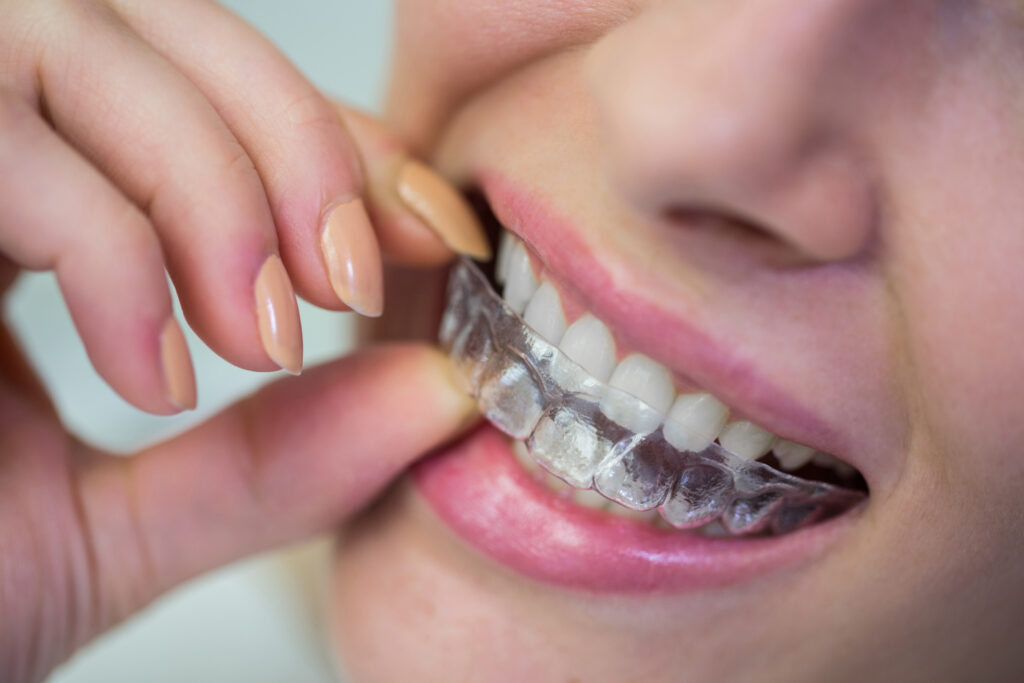
Clear aligners are removable trays that fit over the teeth. Braces are fixed to the teeth and adjusted throughout treatment. Some people prefer the discreet appearance and flexibility of aligners, while others may benefit from the control and consistency that braces can provide.
If you are considering teeth straightening in Murray Bridge, an individual assessment at Murraylands Dental Care can help determine which option may be appropriate for your teeth, bite, oral health and treatment goals.
What Are Clear Aligners?
Clear aligners are thin, transparent trays made to fit over your teeth.
They are generally worn in a planned sequence, with each set designed to guide the teeth gradually towards their intended positions. Depending on the treatment plan, patients may change to a new set of aligners every one to two weeks.
Clear aligners are removable, which means you usually take them out when:
- Eating
- Drinking anything other than water
- Brushing your teeth
- Flossing
- Cleaning the aligners
This flexibility can make aligners appealing to people who want a less noticeable teeth-straightening option without fixed brackets and wires.
However, removable does not mean casual.
Aligners generally need to be worn for most of the day and night, according to your provider’s instructions. If they are not worn consistently, treatment may take longer or may not progress as planned.
Clear aligners may be suitable for some mild to moderate orthodontic concerns, but they may not be appropriate when more complex tooth movement or bite correction is required. This is why a professional assessment is necessary before treatment begins.
What Are Braces?
Braces are fixed orthodontic appliances attached to the teeth.
Traditional braces use brackets and wires to apply controlled pressure and move the teeth over time. They may be made from metal or tooth-coloured materials, depending on the treatment options available.
Because braces are fixed, they work continuously. Patients do not need to remember to put them back in after eating or cleaning their teeth.
This may be helpful for people who could find it difficult to wear removable aligners for the required number of hours each day.
Braces may be recommended for a broad range of orthodontic concerns, including:
- Significant crowding
- Complex bite problems
- Rotated teeth
- Teeth requiring more controlled movement
- Cases where consistent appliance wear may be difficult
Braces require additional care when brushing, flossing and eating. Food can become trapped around brackets and wires, and some foods may need to be avoided to reduce the risk of damaging the appliance.
Clear Aligners vs Braces: Appearance
Appearance is often one of the first differences people consider.
Clear aligners are generally less noticeable than traditional metal braces. This can appeal to adults, professionals and teenagers who feel self-conscious about wearing visible orthodontic appliances.
However, clear aligners are transparent rather than completely invisible. Attachments may also be placed on some teeth to help the aligners produce particular movements.
Traditional metal braces are more visible because the brackets and wires remain attached to the teeth. Tooth-coloured or ceramic braces may be less noticeable, although they are still visible at close range.
Appearance should not be the only factor in your decision.
A treatment that looks more discreet is not automatically the most suitable option for your teeth. A useful orthodontic comparison begins with clinical suitability before considering lifestyle and appearance preferences.
Clear Aligners vs Braces: Comfort
Both clear aligners and braces can cause pressure or discomfort as the teeth begin to move.
With clear aligners, patients may feel pressure when changing to a new tray. The edges of the aligners may also irritate the cheeks, tongue or gums at first, although this may improve as the mouth adjusts.
With braces, soreness can occur after they are fitted or adjusted. Brackets and wires may also rub against the inside of the cheeks or lips, particularly during the early stages of treatment.
Neither treatment should be described as completely pain-free. Orthodontic treatment involves gradual tooth movement, so some temporary pressure or tenderness may occur.
Contact your dental or orthodontic provider if discomfort:
- Feels severe
- Becomes worse
- Does not settle
- Prevents you from eating
- Is caused by a broken wire, bracket or aligner
- Produces persistent sores or ulcers
Your provider can assess the cause and advise whether an adjustment is needed.
Clear Aligners vs Braces: Eating and Drinking
Eating can be simpler with clear aligners because the trays are removed before meals.
There are usually fewer food restrictions than with braces, so you may be able to continue eating many of your usual foods. However, you need to clean your teeth before replacing the aligners to reduce the amount of food and plaque trapped against them.
Avoid eating while wearing clear aligners unless your dental provider has specifically advised otherwise. Drinks other than water may also stain the trays or increase the risk of decay when trapped underneath them.
Braces remain attached while you eat. Certain hard, sticky or chewy foods may need to be avoided because they can damage brackets and wires.
These may include:
- Hard lollies
- Chewy lollies
- Popcorn kernels
- Nuts
- Ice
- Sticky foods
- Hard or crusty foods that are bitten directly with the front teeth
Food may also collect around the appliance, making careful cleaning particularly important.
Aligners offer more dietary flexibility, but they also require the discipline to remove, store, clean and replace them after eating.
The practical question is not only which option appears easier. It is also which routine you can follow consistently throughout treatment.
Clear Aligners vs Braces: Cleaning Your Teeth
Good oral hygiene is essential with both options.
Cleaning With Clear Aligners
Brushing and flossing may be more straightforward with clear aligners because the trays are removed.
You can clean your teeth without brackets or wires getting in the way. The aligners must also be cleaned regularly, as plaque, food debris and bacteria can build up on them.
Follow the cleaning instructions provided by your dental professional. Hot water should generally be avoided because it may distort some aligner materials.
Cleaning With Braces
Cleaning around fixed braces usually takes more time.
You need to brush carefully around the brackets, wires and gumline. Your provider may also recommend interdental brushes, floss threaders or other specialised cleaning tools.
Poor plaque control during orthodontic treatment may increase the risk of:
- Tooth decay
- Gum inflammation
- Bad breath
- White marks on the teeth
- Irritation around the gums
Your dental team can explain how to care for your teeth and orthodontic appliance throughout treatment.
Clear Aligners vs Braces: Treatment Discipline
Patient commitment is important with both treatments, but it affects clear aligners in a particularly direct way.
Clear aligners rely heavily on consistent wear. You need to:
- Wear them for the recommended number of hours
- Remove them safely for meals
- Clean them properly
- Store them securely
- Change trays according to your treatment plan
- Avoid losing or damaging them
Leaving aligners out for extended periods can interfere with treatment progress. If you think you are likely to forget, misplace them or leave them out regularly, a removable treatment may be more difficult to manage.
Braces are fixed, so they do not depend on the same level of daily wear-time discipline. Once fitted, they continue working without needing to be removed and replaced.
However, braces still require commitment. Patients must attend appointments, maintain good oral hygiene, follow food restrictions and report any damaged brackets or wires.
Clear Aligners vs Braces: Which Works Better?
Neither option is automatically better.
Clear aligners can be effective when the tooth movements required are suitable for aligner treatment. They may be considered for some cases involving mild to moderate crowding, spacing or alignment concerns.
Braces may be more suitable for complex cases or when detailed control over tooth movement is needed.
The better option is the one that is clinically appropriate for your:
- Teeth
- Bite
- Gums
- Jaw
- Oral health
- Treatment goals
- Lifestyle
- Ability to follow the treatment plan
Before recommending braces or aligners, a dentist or orthodontic provider may need to examine your mouth and review photographs, scans, models or X-rays.
Healthdirect’s overview of orthodontic treatments explains that braces and clear aligners can be used to straighten teeth and address bite concerns. It also notes that a qualified dentist or orthodontist should complete an assessment before treatment begins.
How Long Do Clear Aligners and Braces Take?
Treatment time varies significantly between patients.
The total duration may depend on:
- The type and complexity of the orthodontic concern
- The amount of tooth movement required
- The appliance being used
- How the teeth respond to treatment
- Whether aligners are worn as instructed
- Whether appointments are attended regularly
- Whether brackets, wires or aligners are damaged
- Whether additional treatment stages are needed
Simple cases may take less time than complex cases, but the appliance alone does not determine the treatment length.
Your dental or orthodontic provider can provide an estimated timeframe after assessing your teeth and developing a treatment plan. Timelines remain estimates because teeth can respond differently as treatment progresses.
What About the Cost?
The cost of clear aligners and braces varies according to the type and complexity of treatment.
Factors that may affect the total fee include:
- The appliance selected
- The expected treatment duration
- The number of aligners required
- The complexity of tooth movement
- Diagnostic records and imaging
- Review appointments
- Refinement aligners or replacement appliances
- Retainers after treatment
A less complex case does not always mean that one appliance will automatically cost less than another.
Ask for a written treatment plan outlining the expected fees, inclusions and payment arrangements before deciding. You may also wish to check whether your private health insurance includes orthodontic benefits.
Questions to Ask Before Choosing Braces or Aligners
Before choosing an orthodontic treatment, consider asking your provider:
- What orthodontic concerns do I have?
- Are clear aligners suitable for my case?
- Would braces provide more control over the required movements?
- What are the benefits and limitations of each option?
- How long is treatment expected to take?
- How often will I need appointments?
- What will I need to do at home?
- What happens if I do not wear my aligners enough?
- Are there any food restrictions?
- What risks should I understand?
- What costs are included in the treatment plan?
- Will I need retainers after treatment?
- What happens if my teeth do not move as expected?
The answers should relate specifically to your mouth and proposed treatment rather than general comparisons alone.
Will I Need Retainers After Treatment?
Retainers are commonly required after treatment with either clear aligners or braces.
Teeth can move after active orthodontic treatment ends. Retainers are used to help maintain their new positions while the surrounding tissues adapt.
Retainers may be:
- Removable
- Fixed behind the teeth
- Used in combination
How often and how long you need to wear a retainer depends on your treatment and individual circumstances.
Follow the instructions provided by your dental or orthodontic provider. Failing to wear retainers as recommended can allow the teeth to shift.
So, Which Option Is Right for You?
Clear aligners may be worth discussing if you prefer a removable, less noticeable option and your orthodontic concerns are suitable for aligner treatment.
Braces may be worth considering when:
- More complex movement is required
- Detailed control is needed
- A fixed appliance is preferred
- Consistent aligner wear may be difficult
- Your provider considers braces more suitable for your bite
The safest way to choose is not by relying only on online photographs, advertising or general comparisons. It is through a proper assessment and discussion of the advantages, limitations and responsibilities associated with each treatment.
Orthodontic suitability, treatment time and likely results vary between patients. Recommendations should be based on an individual examination of your teeth, gums, bite, jaw and overall oral health.
For information about available cosmetic dentistry and teeth-straightening options, speak with a qualified dental professional about what may be appropriate for your circumstances.
To discuss clear aligners, braces or other treatment options in Murray Bridge, contact Murraylands Dental Care to arrange an assessment. The dental team can review your concerns and explain suitable options based on your individual needs.
Frequently Asked Questions
Are clear aligners better than braces?
Clear aligners are not automatically better than braces.
They may be suitable for people who want a removable and less noticeable appliance, while braces may be more appropriate when complex or highly controlled tooth movement is required.
The right option depends on an individual assessment of your teeth, bite, oral health and treatment goals.
Are braces or clear aligners faster?
Treatment time varies from person to person.
Some straightforward cases may take less time than complex cases, but the appliance type is only one factor. Treatment duration can also be affected by the movements required, your response to treatment and how closely you follow the treatment plan.
Your provider can give you an estimated timeframe after completing an assessment.
Can clear aligners correct every orthodontic problem?
No. Clear aligners are not suitable for every orthodontic concern.
Some complex tooth movements, significant bite problems or other clinical factors may make braces or specialist orthodontic care more appropriate.
A dental or orthodontic assessment is needed to determine whether aligners are suitable.
Do clear aligners hurt?
Clear aligners may cause pressure or tenderness, particularly when you begin wearing a new set.
This discomfort is generally associated with gradual tooth movement. Contact your provider if the pain is severe, becomes worse or does not settle.
Do braces hurt?
Braces may cause temporary soreness after they are fitted or adjusted.
Brackets and wires can also irritate the cheeks or lips, particularly during the early stages. Your dental team can advise you about managing discomfort and assess any persistent irritation.
Can I eat normally with clear aligners?
Clear aligners are usually removed before eating, so there may be fewer food restrictions than with braces.
You should clean your teeth before replacing the aligners and follow your provider’s instructions about eating, drinking and caring for the trays.
Which option is easier to clean?
Clear aligners can make brushing and flossing more straightforward because they are removable. However, the trays must also be cleaned carefully.
Braces require additional cleaning around brackets and wires. Both treatments need consistent oral hygiene to reduce the risk of plaque-related problems.
What happens if I do not wear my aligners enough?
Failing to wear your aligners as instructed may delay treatment or prevent the teeth from moving as planned.
The next aligner may also stop fitting correctly. Contact your provider for advice rather than moving to another tray without guidance.
What happens after clear aligners or braces?
Retainers are commonly required after either treatment to help maintain the new tooth positions.
Your dental or orthodontic provider will explain which type of retainer is recommended, how often to wear it and how to care for it.